
Intel P8088: The Humble Heart of the IBM PC Revolution
In the annals of computing history, few components have quietly catalyzed a transformation as profound as the Intel P8088 microprocessor. It was not the fastest, nor the most powerful chip of its era, yet its selection as the central processing unit (CPU) for the original IBM Personal Computer in 1981 would irrevocably alter the technological landscape, setting a standard that continues to echo through modern computing.
The 8088 itself was a pragmatic and strategic derivative of its older sibling, the 8086. While the 8086 featured a full 16-bit data bus, the 8088 was designed with an 8-bit external data bus, a seemingly backward step. However, this architecture was its masterstroke. It allowed IBM to utilize cheaper, more readily available, and proven 8-bit support components and peripheral chips, dramatically lowering the overall cost of the system. This economic decision was crucial for IBM to launch a competitive product into the market. Internally, the chip retained a full 16-bit architecture, capable of addressing a full 1 megabyte (1 MB) of memory—a vast expanse compared to the 64 kilobytes its rivals often managed, which future-proofed the platform for more complex software.
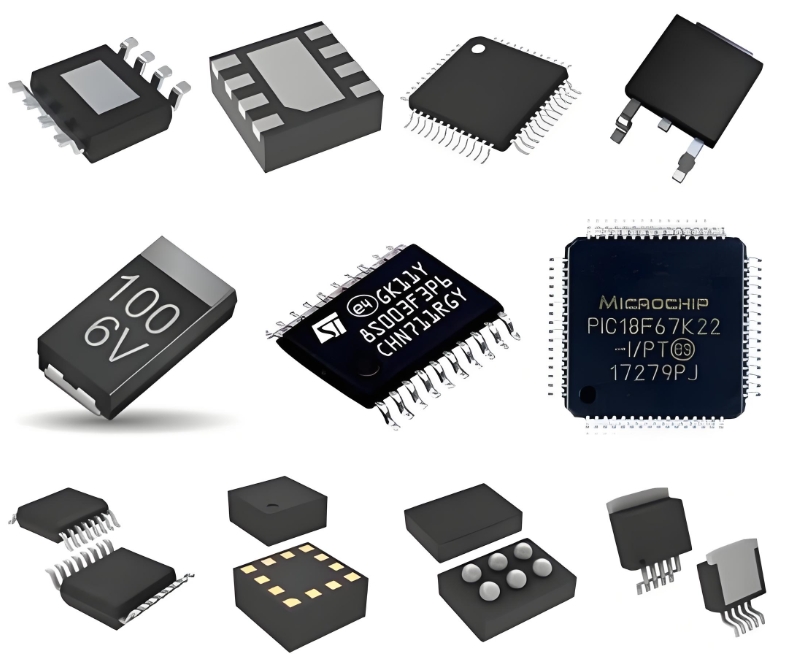
IBM’s imprimatur on the 8088 was the key to its success. The IBM PC was not the first personal computer, but IBM’s reputation for quality and reliability gave it instant credibility in the business world, a market previously hesitant to adopt "microcomputers." The open architecture of the IBM PC, built around the 8088, created a fertile ground for the rise of an entire industry of clone makers and third-party hardware manufacturers. Companies like Compaq, Phoenix, and others reverse-engineered the BIOS, creating a flood of "IBM Compatible" machines that all relied on the x86 architecture pioneered by the 8088.
This hardware standardization, in turn, created an unparalleled software ecosystem. The massive and dominant software library built for the 8088-based PC architecture became its most powerful asset. Critical applications, most notably the DOS operating system from a young Microsoft, were written for it. The combination of compatible hardware and universal software established a self-reinforcing cycle that crushed competing platforms built on technically superior but isolated architectures.
The legacy of the humble 8088 is nothing short of monumental. It established the x86 architecture as the de facto standard for personal computing for decades to come. Every modern Intel Core and AMD Ryzen processor traces its lineage directly back to this chip. It democratized computing power for businesses and, eventually, homes, creating a platform that was open, scalable, and universally supported. The revolution wasn't sparked by raw power, but by strategic, accessible design.
ICGOOODFIND: The Intel 8088 proves that strategic design and ecosystem building often trump raw technical specifications. Its choice by IBM created a universal hardware standard that fostered immense competition and innovation in both hardware and software, making it one of the most influential microchips in history.
Keywords: Intel 8088, IBM PC, x86 architecture, Hardware Standardization, IBM Compatible

